


When you turn on the faucet, you expect clean, clear water. So, seeing cloudy water, tiny particles, or gritty residue can be alarming. While sediment is not always a sign that your water is unsafe, recurring sediment can affect your home’s water quality, plumbing fixtures, and overall system performance.
Sediment refers to physical particles suspended in water, such as sand, silt, soil, or other debris [1]. In some cases, these particles settle over time, while others remain suspended and can make water appear cloudy or discolored. Depending on the source, sediment may also affect the taste, appearance, or performance of your plumbing system.
Where Does Sediment in Your Water Come From?
Sediment can enter your home’s plumbing in several different ways:
- Temporary discoloration or sediment may occur after water main flushing or other maintenance performed by your local water utility [2]. These activities can stir up harmless particles that have settled inside water distribution lines, causing short-term changes in your tap water before conditions return to normal.
- Hard water is another common contributor. Calcium and magnesium naturally found in hard water can create mineral scales that build up inside pipes, plumbing fixtures, and water heaters over time [3]. As these deposits accumulate, they can restrict water flow and reduce the efficiency of household plumbing systems.
- Certain naturally occurring minerals can also create noticeable changes in your water. Iron and manganese may cause orange, brown, or black particles, metallic tastes, and staining on sinks, toilets, and laundry [4]. In many cases, these minerals are aesthetic concerns rather than immediate health risks, but persistent staining or sediment should still be investigated.
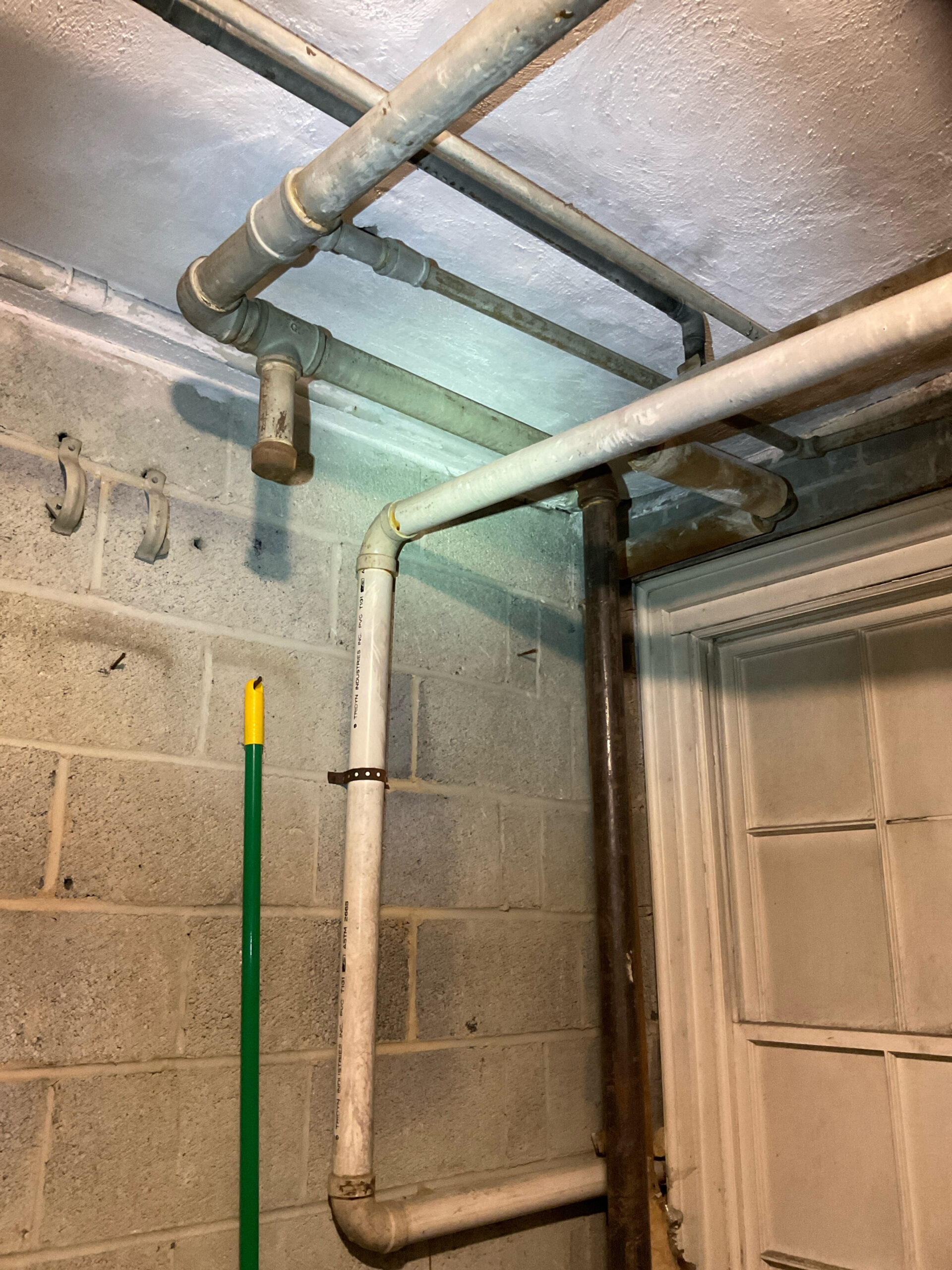
- Older plumbing systems can also play a role. Corrosion inside metal pipes may release particles into your water while also contributing to discoloration, metallic tastes, and plumbing deterioration [5].
- For homes served by private wells, sediment may originate from the well itself. Mineral deposits, sand, sediment, or changes in well performance can all contribute to recurring cloudiness or visible particles in household water [6].
How Sediment Can Affect Your Water and Plumbing
Even when sediment does not present an immediate health concern, it can create frustrating problems throughout your home.
Common signs include:
- Cloudy or discolored water
- Grit or particles in sinks, tubs, or drinking water
- Metallic or unpleasant tastes
- Stains on plumbing fixtures and laundry
- Clogged faucet aerators
- Reduced water pressure or restricted flow
If these issues continue over time, the underlying cause may contribute to additional wear on your plumbing system or water-using appliances.
When Should You Be Concerned
The appearance of sediment alone does not automatically mean your water is unsafe [7], however, recurring changes in color, taste, odor, or visible particles should not be ignored.
If sediment continues after utility maintenance has ended or repeatedly returns throughout your home, it is important to determine the source rather than relying on appearance alone. Water testing and a professional plumbing evaluation can help identify whether the issue stems from mineral buildup, corrosion, your water supply, or another plumbing concern [8].
Get Clear Answers About Your Water Quality
If you’re noticing cloudy water, recurring sediment, unusual staining, or changes in your tap water, it’s worth finding the source before the problem becomes more serious.
Our experienced team at My Plumbing Heroes can inspect your plumbing system, identify the cause of persistent water quality issues, and recommend practical solutions that help protect both your water and your home’s plumbing.
Contact My Plumbing Heroes today to schedule an inspection and restore confidence in the water flowing through your home.
Sources:
- https://www.usgs.gov/water-science-school/science/sediment-and-suspended-sediment
- https://www.fairfaxwater.org/current/free_chlorine.htm
- https://extension.psu.edu/water-softening
- https://extension.psu.edu/iron-and-manganese-in-private-water-systems
- https://extension.psu.edu/corrosive-water-problems
- https://extension.psu.edu/water-well-maintenance-and-rehabilitation
- https://www.epa.gov/ccl/types-drinking-water-contaminants
- https://www.cdc.gov/drinking-water/prevention/about-choosing-home-water-filters.html