
Have you noticed white residue around your faucets, cloudy dishes, or declining water pressure? These common household frustrations could indicate a hard water problem. Hard water contains elevated levels of dissolved calcium and magnesium [1], which can gradually accumulate throughout your plumbing system. While hard water is generally not a health concern, prolonged mineral buildup can affect your fixtures, appliances, and household expenses.
Here are five signs that hard water may be building up in and around your faucets and appliances.
Sign 1: White Mineral Buildup Around Faucets and Showerheads
One of the most recognizable signs of hard water is a chalky, white substance forming around faucets, showerheads, and other plumbing fixtures. These deposits, commonly called limescale, develop as minerals accumulate on surfaces exposed to hard water. Over time, scale buildup on plumbing fixtures can restrict small openings, interfere with water flow, and make fixtures more difficult to maintain [2]. Frequent cleaning may become necessary to keep them functioning properly.
Sign 2: Reduced Water Pressure From Mineral Deposits
Hard water problems are not always visible. As water travels through your plumbing system, calcium and magnesium deposits can gradually accumulate along the interior walls of pipes. This mineral buildup can restrict water flow, potentially contributing to weaker water pressure at faucets and showers [1]. Because low water pressure can also result from leaks, faulty valves, or other plumbing issues, a professional inspection can help identify the underlying cause.
Sign 3: Reduced Water Heater Efficiency
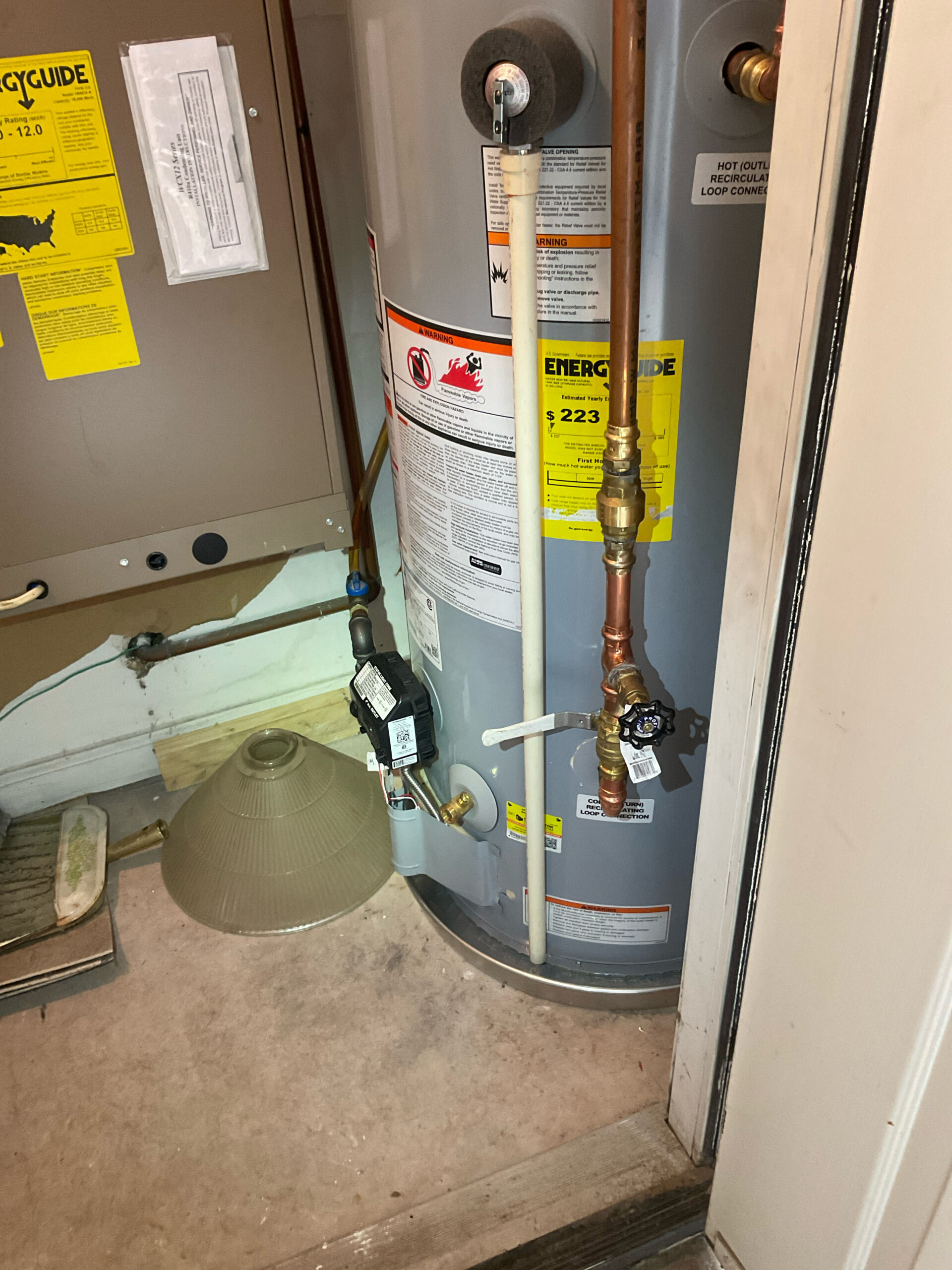
Your water heater may be particularly vulnerable to hard water damage. When hard water is heated, dissolved minerals can form solid calcium carbonate deposits inside the system. These deposits interfere with heat transfer, forcing the equipment to work harder to heat water. Over time, scale can reduce water heater efficiency and increase heating costs, potentially shortening the equipment’s lifespan and increasing maintenance needs [3].
Sign 4: Increased Wear on Household Appliances
Water heaters are not the only appliances affected by mineral accumulation. Dishwashers, washing machines, and other water-using equipment can experience similar problems. As scale develops inside components, it can interfere with normal operation and contribute to unnecessary wear. Prolonged exposure to hard water may shorten the lifespan of washing machines and other appliances [2], leading to more frequent maintenance, repairs, or premature replacement.
Sign 5: Soap Scum and Cloudy Dishes
If your shower walls develop stubborn residue or your freshly washed glasses appear cloudy, hard water may be responsible. Calcium and magnesium react with soap, forming deposits that cling to bathroom surfaces and leave films on dishes. These minerals also reduce the effectiveness of soaps and detergents [4], meaning you may need to use more cleaning products to achieve satisfactory results.
How Can You Protect Your Plumbing From Hard Water?
Addressing hard water begins with understanding your home’s water quality. Testing can help determine the level of hardness and whether treatment is necessary. Regular fixture cleaning can remove visible deposits, while a properly selected water softener can help prevent future accumulation.
Cation exchange water softeners remove calcium and magnesium ions from water, reducing the minerals responsible for scale formation [5]. A plumbing professional can help evaluate your home’s needs and determine whether a water softening system is appropriate.
Protect Your Plumbing and Appliances With Professional Help
Hard water damage often develops gradually, making early attention important for protecting your home’s plumbing system. If you’re noticing mineral deposits, reduced water pressure, or declining appliance performance, don’t wait for the problem to worsen.
Contact My Plumbing Heroes today to discuss your hard water concerns and explore professional plumbing solutions that can help protect your fixtures, appliances, and long-term investment.
Sources:
- https://www.usgs.gov/water-science-school/science/hardness-water
- https://www.epa.gov/system/files/documents/2026-05/ws-products-water-softener-guide.pdf
- https://www.usgs.gov/mission-areas/water-resources/science/chloride-salinity-and-dissolved-solids
- https://www.usgs.gov/water-science-school/science/water-qa-why-cant-i-rinse-soap-my-hands
- https://www.epa.gov/watersense/cation-exchange-water-softeners