
A well pump is one of the most important parts of a home’s plumbing system. It delivers fresh water from the ground to your faucets, showers, and appliances every day by drawing water into the house through the home’s plumbing system. When it works properly, it is easy to forget it is even there.
Well pumps come in different styles, most commonly submersible pumps and jet pumps. Each type has its own strengths, installation requirements, and expected lifespan. The pump’s lifespan is influenced by factors such as pump type, water quality, and how well it is maintained.
Regular inspections and routine maintenance play a major role in preventing pump failure and ensuring a steady, reliable water supply for your home.
This is one part of your plumbing system you don’t want to mess around with, because without it, you’re looking at no water for drinking, cleaning, or anything else your household needs on a daily basis.
Types of Well Pumps
When you’re looking at well systems for your home, picking the right pump type really matters for getting reliable water and avoiding headaches down the road. You’ve got two main options to consider – submersible pumps and jet pumps.
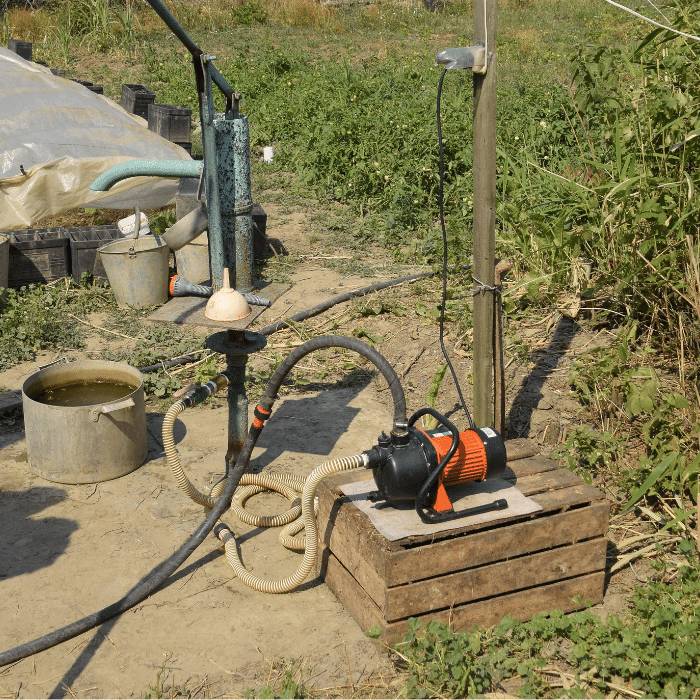
Submersible pumps get installed way down in your well, and they’re designed to push that water right up to the surface, which makes them perfect if you’ve got a deeper well, plus they run quietly and won’t drive up your electric bill. Jet pumps work differently. We mount them above ground, and they use suction to pull water from your well, so they’re great if you’re dealing with a shallower setup.
Both types need regular care to handle whatever your water quality throws at them and keep everything running smoothly for years to come. Things like how deep your well goes, what your water’s like, and how much your family actually uses all play into figuring out which pump is going to work best for your specific situation.
Signs of a Failing Well Pump
Knowing the warning signs of a failing well pump can help you address problems early. Signs of pump failure include low water pressure, strange sounds, air sputtering from faucets, and higher electricity bills.
Unusual noises such as grinding, humming, clunking, or other strange sounds can indicate internal damage, motor issues, or pump issues. Rust-colored water coming from your taps may also indicate pump issues. If you turn on the faucet and it seems like there are air bubbles coming through the pipes, the pump may be unable to pull water up and is pulling in air.
Frequent cycling, where the pump turns on and off repeatedly, often points to pressure tank or pressure switch problems that can strain the pump. If your well pump is running continuously, it is probably a sign that you need a new pump.
If you notice any of these symptoms, it is important to have the system inspected before the issue worsens and leads to complete well pump failure.
Factors Affecting Pump Longevity
When we’re talking about how long your well pump will serve your home, there are several things you need to know to protect yourself from costly surprises down the road.
The type of pump you have makes all the difference in the world. Submersible pumps, for instance, are built to outlast jet pumps because they work underwater, away from the air exposure that leads to rust and corrosion.
Poor water quality, loaded with sediment, minerals, or even lead, will eat away at your pump’s components faster than you can imagine, setting you up for expensive repairs or even complete replacement when you least expect it. That’s exactly why we always stress regular maintenance and water quality testing.
How Many Years a Pump Will Last
On average, a well pump is going to give you reliable service for about 8 to 15 years, but here’s the thing – with regular inspections and proper care, some of those submersible pumps can keep going strong for 15 to 20 years or even longer.
Jet pumps tend to have a shorter lifespan, typically. Staying on top of regular inspections and maintenance is really the best way to catch those small issues before they turn into pump failure, and it helps you get the most out of your investment while avoiding the hassle of those unexpected breakdowns. Remember, a little attention now is going to lead to a much longer lifespan for your well pump down the road.
Installing a New Well Pump
When it is time to install a new well pump, careful planning is essential. Factors such as household water usage, well depth, and pressure requirements all affect pump selection. Choosing the correct pump type and size helps ensure efficient operation and prevents unnecessary wear.
Proper installation and startup procedures are just as important as the pump itself. Incorrect installation can lead to short cycling, low pressure, or early component failure. Investing in professional installation and a quality new pump may be more cost-effective in the long run compared to frequent repairs.
Extending Pump Lifespan
Extending the pump’s life and maximizing your well pump’s lifespan starts with regular maintenance, inspections, and water quality monitoring. Proper installation, correct system setup, and proper usage of your well pump are critical for maintaining its durability and preventing overheating.
If your pump is nearing the end of its lifespan, planning ahead for replacement is important to avoid unexpected failures.
If you have questions about your well pump or want to schedule an inspection, Melde Plumbing LLC is here to help keep your water system running reliably for years to come.
When to Replace a Pump
Knowing when it’s time to replace your well pump can save you from the real stress and headache of sudden water outages and those costly emergency repairs that nobody wants to deal with. If you start noticing warning signs like low water pressure, your pump cycling on and off constantly, or strange noises coming from your system, these are red flags telling you that pump failure might be around the corner. A sudden drop in water pressure or finding air bubbles in your water supply are also clear indicators that your pump may be on its last legs.
Planning ahead by scheduling regular maintenance with a reputable professional and keeping a watchful eye out for these warning signs can help you avoid those unexpected pump failures that always seem to happen at the worst possible time, ensuring your water system keeps running smoothly for years to come.
Conclusion
How long does your well pump last? We understand this is a concern many homeowners have, and frankly, you deserve a straight answer. The truth is, it depends on several factors that we want you to know about – including the type of pump you have, your water quality, and how well you maintain your system.
What we can tell you is that, on average, you can expect your well pump to serve your family reliably for 8 to 15 years. With regular inspections, water quality testing, and proper maintenance that we always recommend, some pumps can actually last 20 years or more.