
Your well pump and pressure tank work together to provide a dependable water supply and consistent water pressure throughout your home. However, like any mechanical equipment, these components eventually experience wear and may need replacement.
Understanding their expected lifespans and recognizing potential problems can help you avoid unexpected water interruptions and costly repairs. Here is what homeowners should know about how long well pumps and pressure tanks last.
How Long Does a Well Pump Typically Last?
A properly designed and installed well pump can last approximately 15 to 25 years, depending on water quality, usage, and operating conditions [1]. However, some pumps may require replacement sooner, while others continue operating beyond this range.
Submersible pumps operate underwater inside the well, while jet pumps are typically installed above ground. Regardless of the type, proper installation and maintenance play important roles in determining how long a pump remains reliable.
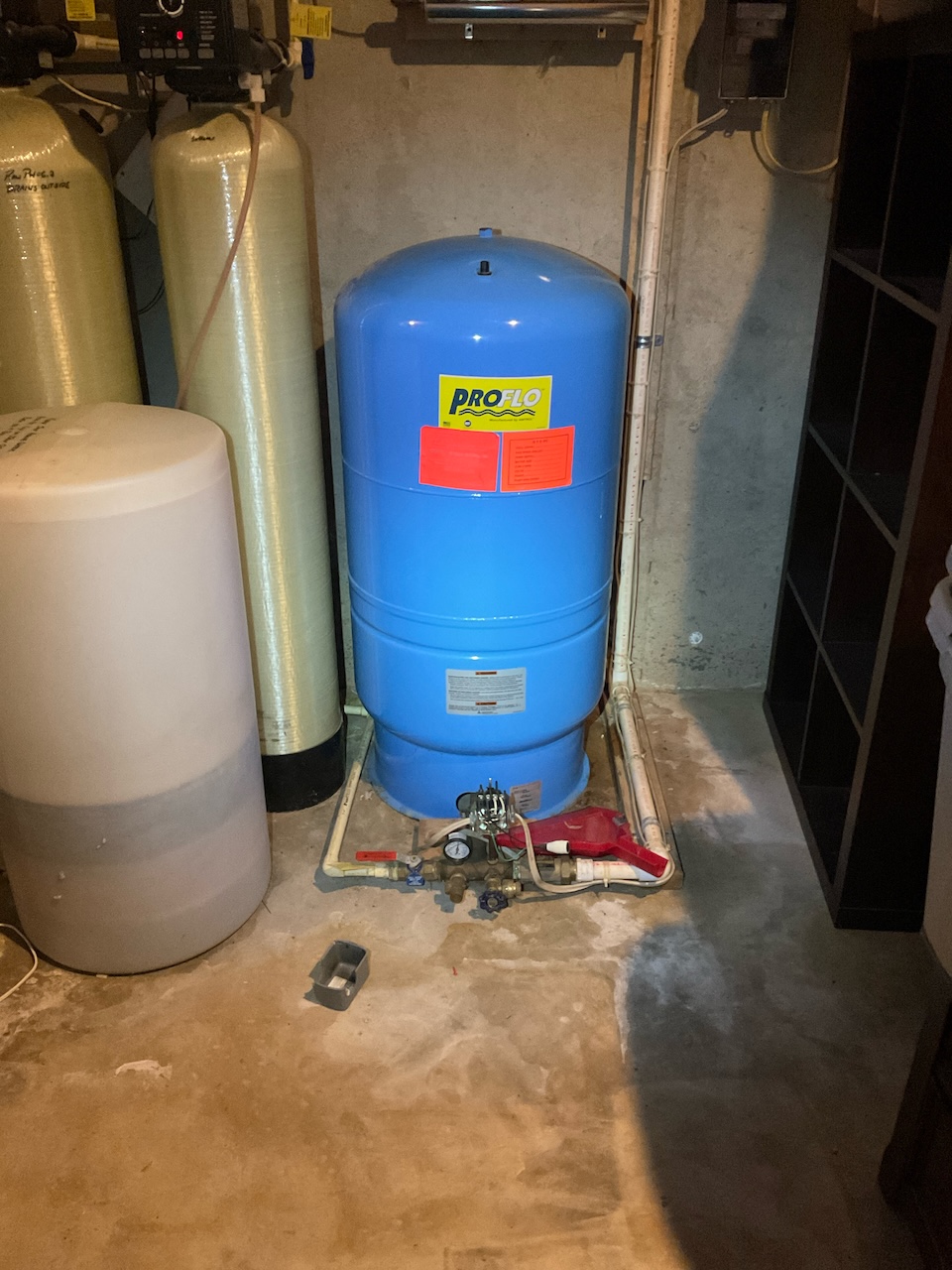
What Is the Average Lifespan of a Well Pressure Tank?
Well pressure tanks can also last approximately 15 to 25 years under favorable conditions, although their actual lifespan varies [1].
A pressure tank stores water under pressure, helping maintain consistent flow while reducing how frequently the well pump needs to start.
A failing pressure tank can cause rapid pump cycling, placing additional strain on the pump motor and other electrical components [1]. Maintaining proper tank pressure and addressing problems early can help prevent unnecessary wear throughout the system.
What Factors Affect Well Pump and Pressure Tank Lifespan?
Several conditions influence how long well equipment lasts, including water quality, household demand, and system maintenance.
Sand and sediment can cause abrasive damage to well pump components, while corrosion and excessive operating temperatures can contribute to premature failure [2].
Frequent pump cycling is another concern. An improperly functioning pressure tank may force the pump to start and stop more often than necessary, increasing wear.
Additionally, equipment that is incorrectly sized for household water demand may experience unnecessary strain during operation.
What Are the Warning Signs That Replacement May Be Necessary?
Well pump and pressure tank problems often produce noticeable symptoms before complete failure.
Rapid pump cycling and unusually low water pressure are common indicators of a pressure tank that may need replacement [3].
Other warning signs include fluctuating water pressure, reduced water flow, unusual pump operation, or unexpected increases in electricity usage.
Changes in water pressure, declining flow, and frequent pump cycling are all signs that a well system should be professionally evaluated [4].
However, these symptoms do not always mean replacement is necessary. Leaks, pressure switch problems, and other system issues can produce similar symptoms.
How Can You Help Your Well System Last Longer?
Preventive maintenance is one of the best ways to protect your well pump and pressure tank.
Annual well system inspections can help identify developing problems, evaluate equipment performance, and extend the useful life of your water system [5].
Professional evaluations may include checking water flow, pressure tank operation, electrical components, and overall system condition.
Homeowners should also monitor changes in water pressure, keep equipment maintenance records, and address unusual performance promptly.
Keep Your Well System Running Reliably
Your well pump and pressure tank are essential to your home’s everyday water supply. While aging equipment does not automatically require replacement, ignoring warning signs can lead to more extensive problems.
Contact My Plumbing Heroes today to schedule a professional well system assessment. Our team can help identify potential issues, evaluate your equipment’s condition, and recommend appropriate repair or replacement solutions to keep your water flowing reliably.
Sources:
- https://your.kingcounty.gov/dnrp/library/water-and-land/groundwater/bob-seibold-summary-from-safewells-qa.pdf
- https://extension.psu.edu/water-well-maintenance-and-rehabilitation
- https://www.amtrol.com/welltanksupport/
- https://wellowner.org/resources/water-well-maintenance/
- https://wellowner.org/resources/water-well-maintenance/well-owner-maintenance-practices/